



Complete Guide to Selecting Ergonomic Office Seating
Platinum-Level,LLC Media

Understanding the Fundamentals of Ergonomic Seating
Ergonomic seating transcends conventional furniture design by incorporating biomechanical principles that align with the human body's natural curvature and postural requirements. The term "ergonomics" derives from the Greek words "ergon" (work) and "nomos" (laws), establishing the scientific foundation for workplace efficiency through proper body mechanics.
Modern professionals, particularly those engaged in prolonged sedentary activities, require seating solutions that mitigate musculoskeletal disorders while enhancing productivity. Suboptimal seating configurations can precipitate chronic conditions including lumbar disc compression, cervical strain, and peripheral circulatory impairment.
Essential Components of Ergonomic Chair Design
Lumbar Support Architecture
The lumbar region's natural lordotic curve necessitates targeted support to prevent posterior pelvic tilting and subsequent spinal misalignment. Adjustable lumbar mechanisms should accommodate varying torso lengths and provide both vertical and depth adjustment capabilities. Premium ergonomic chairs incorporate dynamic lumbar support that adapts to postural changes throughout extended work sessions.
Seat Pan Configuration and Materials
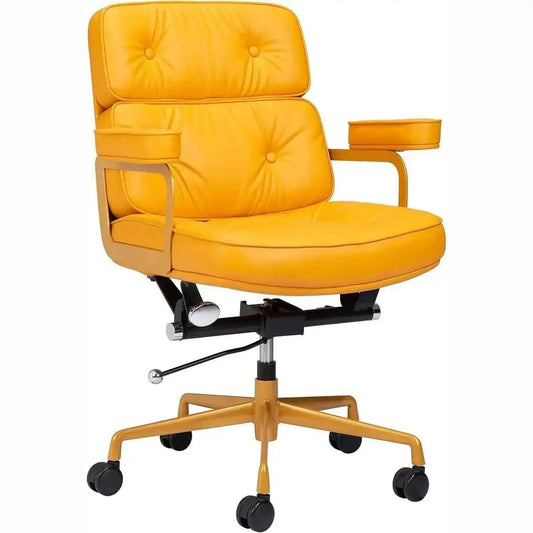
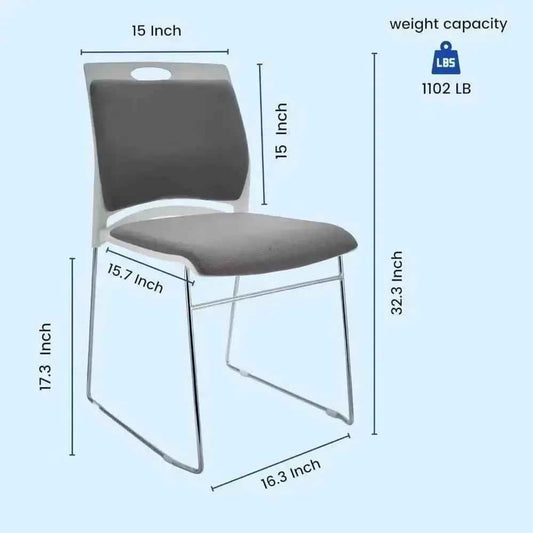
Optimal seat depth typically measures 16-18 inches, allowing proper popliteal clearance while supporting the thighs without restricting circulation. Breathable mesh construction facilitates thermoregulation, while LeatherSoft upholstery offers durability and aesthetic refinement for executive environments.
"The seat pan should distribute body weight evenly across the ischial tuberosities while maintaining a slight anterior tilt to promote proper spinal alignment and reduce pressure on the lumbar discs."
Key Selection Criteria for Professional Environments
Weight capacity specifications are paramount for commercial applications. Standard office chairs accommodate 250-300 pounds, while heavy-duty variants support 400+ pounds through reinforced frame construction and enhanced pneumatic cylinders. Call centers and control rooms require chairs with extended duty cycles and minimal maintenance requirements.
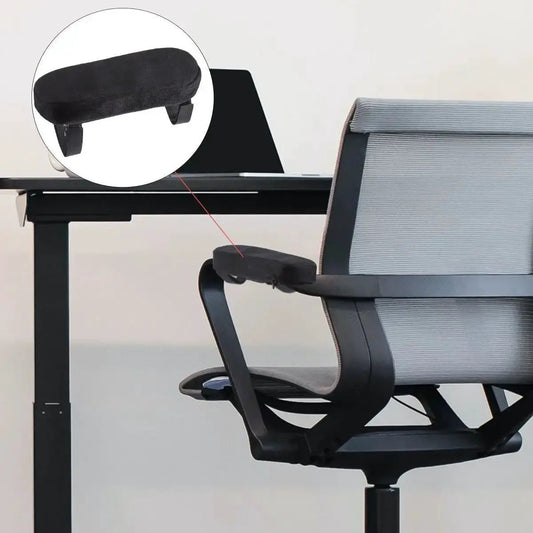
Armrest adjustability encompasses height, width, angle, and pivot functionality. Flip-up arms provide versatility for collaborative workspaces, allowing unobstructed desk access when needed.
| Feature | Standard Office | Executive Suite | Gaming/Streaming |
|---|---|---|---|
| Weight Capacity | 250 lbs | 300 lbs | 350+ lbs |
| Adjustment Points | 5-7 | 8-12 | 10-15 |
| Material Priority | Mesh | Leather/Fabric | Breathable Mesh |
Mobility and Floor Protection Considerations
Caster selection significantly impacts chair performance and floor preservation. Dual-wheel casters provide superior weight distribution compared to single-wheel variants. Hard floor surfaces require soft polyurethane wheels, while carpeted areas benefit from hard nylon casters for optimal mobility.
Glass chair mats offer transparent floor protection without visual disruption, particularly valuable in modern office aesthetics. These mats resist chair indentations while providing smooth rolling surfaces that reduce user fatigue.
Customization for Specific User Demographics
Remote workers often prioritize multi-functional seating that transitions seamlessly between professional video calls and extended work sessions. Adjustable headrests with neck support become crucial for users frequently engaging in virtual meetings.
Gaming and streaming professionals require chairs with enhanced lateral support for dynamic movements and prolonged sessions. Extended seat cushioning and reinforced recline mechanisms accommodate varied usage patterns beyond traditional office work.
- Adjustable seat height: 16-21 inch range
- Synchronized tilt mechanisms with tension control
- Breathable back construction for temperature regulation
- Removable or adjustable lumbar pillows
- Durable frame construction rated for 8+ hour daily use
Investment Considerations and Long-term Value
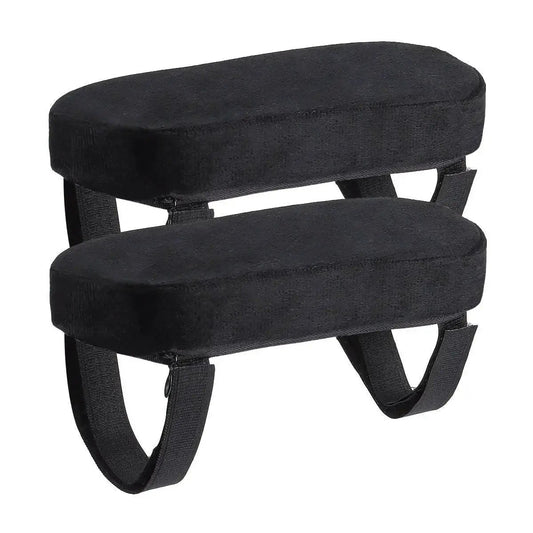
Quality ergonomic seating represents a strategic investment in occupational health and productivity enhancement. Premium chairs featuring replaceable components extend operational lifespan while reducing total cost of ownership. Replacement wheels, arm pads, and gas cylinders enable maintenance rather than complete chair replacement.
Commercial-grade chairs often include extended warranties reflecting manufacturer confidence in construction quality and component longevity. These warranties typically cover pneumatic mechanisms, structural frames, and adjustment mechanisms under normal usage conditions.