






Big And Tall Ergonomic 400 Lbs High Weight Capacity Office Chair Comfort
Platinum-Level,LLC Media

What Defines a Big and Tall Ergonomic Chair Rated for 400 Pounds?
Weight Capacity, Frame Construction, and Stability Standards
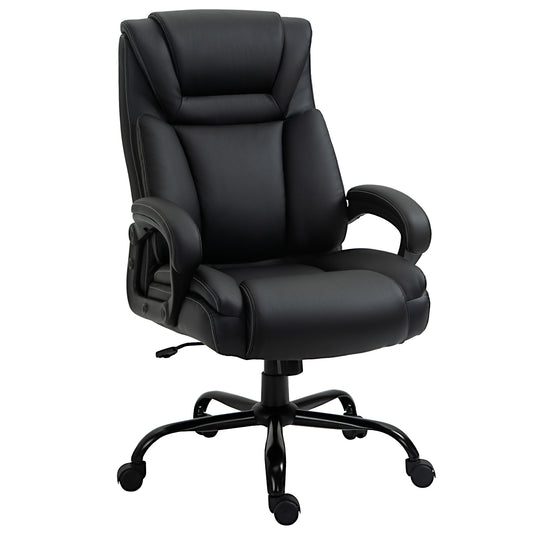
A genuine big and tall ergonomic chair rated for 400 pounds is built to carry that load safely and to keep functioning under daily use. The rating should apply to the whole chair, not just the seat. It depends on a reinforced steel or heavy-gauge metal frame, a thick-walled gas lift, a wide five-point base, and casters sized to carry the load.
Many manufacturers test seating against commercial standards such as BIFMA, which evaluate stability, load, and cycle durability. Look for the following:
- A Class 4 gas cylinder, which is built for heavier users.
- A base spanning roughly 28 inches or more for tip resistance.
- Dual-wheel or reinforced nylon casters that roll smoothly without flexing.
- A tilt mechanism with a thick steel mounting plate.
Seat Width, Seat Depth, Height Range, and Clearance for Larger Users
A high weight capacity office chair should also fit the user's body, because a strong chair that fits poorly still causes discomfort. Seat dimensions determine whether weight is distributed evenly across the thighs and pelvis.
- Seat width: 20 to 24 inches generally gives larger users room without pressing against the armrests.
- Seat depth: 19 to 22 inches supports the thighs while leaving about two inches of space behind the knees.
- Height range: A seat that adjusts from about 17 to 22 inches helps taller users keep their feet flat and their knees near a 90-degree angle.
- Armrest clearance: The gap between the arms should exceed the user's hip width to prevent side pressure.
Taller users should also check backrest height, since a back that reaches the shoulder blades supports the upper spine more effectively.
How Ergonomic Features Improve Comfort During Long Office Hours
Once a chair has the structural capacity for a 400-pound user, ergonomic adjustability determines whether it remains comfortable through an eight-hour workday. Features that support the spine, distribute pressure, and allow movement reduce fatigue and discomfort.
Lumbar Support, Adjustable Backrests, Headrests, and Armrests
Effective lumbar support maintains the natural inward curve of the lower spine, which reduces strain on the back muscles. On a high weight capacity office chair, look for lumbar support that adjusts in height or depth, because a fixed contour rarely fits taller or broader frames.
- Backrests should be tall enough to support the shoulder blades and lock at several angles.
- Headrests should be adjustable so the neck stays aligned during reclined work.
- Armrests should adjust in height and width so the shoulders stay relaxed and the elbows rest at roughly 90 degrees.
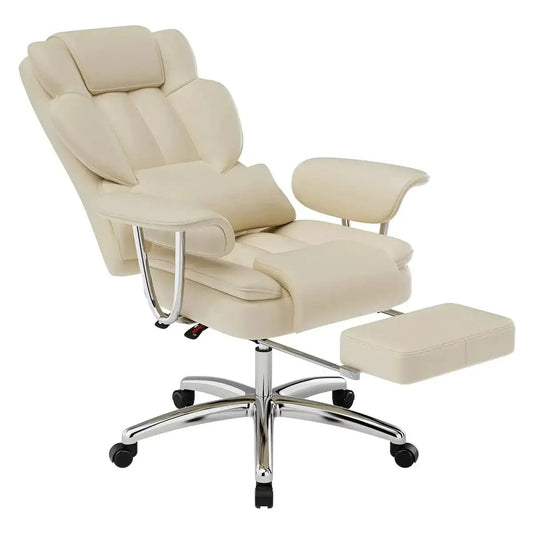
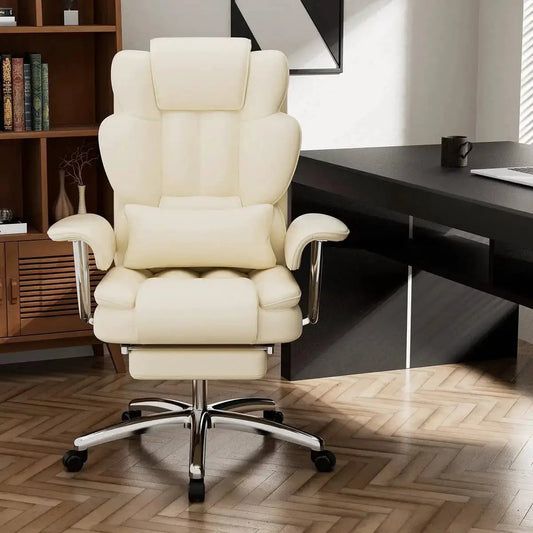
The Comhoma Big and Tall Office Chair combines spring lumbar support, adjustable armrests, a high back, and a 150-degree recline with an upgraded footrest. It suits users who want pressure relief for the lower back during extended sessions.
Seat Cushion Density, Waterfall Edges, Breathable Materials, and Recline Range
High-density foam keeps its shape under heavy loads, while softer foam compresses quickly and creates pressure points. A firm, resilient cushion distributes weight evenly across the seat and prevents the sensation of sinking.
A waterfall edge curves downward at the front of the seat, which reduces pressure behind the knees and supports healthy circulation. Breathable mesh or perforated upholstery limits heat buildup, which matters for larger users who tend to run warmer.
A recline range of 120 to 150 degrees allows frequent posture changes, and tension control lets the backrest resist movement in proportion to the user's weight. Changing position throughout the day is one of the most effective ways to limit stiffness.
How to Compare High Weight Capacity Office Chair Models
Feature Comparison: Heavy-Duty Executive, Mesh, and Task Chair Designs
Executive chairs offer the most cushioning and presence, mesh chairs offer the best airflow, and task chairs offer the most compact, adjustable footprint. Each design suits a different kind of 400-pound user.
| Design | Key Strength | Best For |
|---|---|---|
| Executive | Thick padding, wide seat | Long, seated meetings |
| Mesh | Breathability, flexible support | Warm rooms, all-day use |
| Task | Compact, highly adjustable | Shared or small workspaces |
Upholstered executive models retain more heat, so a breathable LeatherSoft or mesh option may feel more comfortable in warm environments. Mesh seats should use a reinforced frame, because thin mesh can sag under sustained heavy loads.
Practical Buying Checklist for Fit, Adjustability, Durability, and Warranty Coverage
Use the following checklist to separate genuinely heavy-duty chairs from those that merely advertise a high rating.
- Fit: Look for a seat at least 22 inches wide and enough depth to leave a two-to-three-finger gap behind the knees.
- Adjustability: Confirm that seat height, tilt tension, lumbar position, and armrests adjust independently.
- Durability: Look for a steel or reinforced base, a Class 4 gas lift, and dual-wheel casters rated for the full load.
- Warranty: Prefer coverage of at least five years on the frame and mechanisms, and check whether the warranty applies at your weight.
A chair's stated capacity should always exceed the user's weight by a comfortable margin to account for dynamic loads such as sitting down and leaning back.
How to Set Up and Maintain a 400-Pound Ergonomic Office Chair
Correct Desk Height, Sitting Posture, Seat Adjustments, and Weight Distribution
Proper setup begins with the chair, not the desk: adjust seat height so the feet rest flat on the floor with knees at roughly 90 to 110 degrees, then bring the desk or keyboard tray to elbow height. Armrests should support the forearms without lifting the shoulders.
- Sit fully back so the pelvis touches the backrest, and position the lumbar support at the natural curve of the lower spine.
- Leave two to three fingers of space between the seat edge and the back of the knees. On wider seats, slide the seat pan forward or backward as needed.
- Set the tilt tension so the chair supports the body weight without snapping upright or dropping backward.
- Keep the monitor top at or slightly below eye level, about an arm's length away.
Distribute weight evenly across the seat and avoid perching on one edge, leaning on a single armrest, or tipping back on the front casters. Uneven loading accelerates wear on the gas cylinder and frame.
Maintenance Steps for Casters, Tilt Mechanisms, Upholstery, and Fasteners
Routine inspection every one to three months extends the service life of a high weight capacity chair and helps keep it within its rated load.
- Casters: Remove hair and debris from the wheel axles, and replace worn or cracked wheels. Use a chair mat on hard flooring to protect the surface and reduce rolling resistance.
- Tilt mechanism: Check that the lever and tension knob operate smoothly, and listen for creaking, which often signals loosening parts.
- Upholstery: Wipe mesh with a soft brush or vacuum, and clean LeatherSoft or leather with a damp cloth and mild soap, avoiding harsh solvents.
- Fasteners: Tighten bolts at the seat plate, armrests, and backrest connection with the supplied hex key.
Stop using the chair immediately if you notice cracks in the base, a sinking cylinder, or persistent wobbling, and contact the manufacturer about replacement parts.
Big and Tall Ergonomic Chair 400 Lbs: Frequently Asked Questions
What Features Should a 400-Pound User Prioritize in a High Weight Capacity Office Chair?
Prioritize a tested 400-pound rating, a reinforced steel frame, and a wide, firm seat. Beyond structure, look for adjustable lumbar support, a tilt mechanism with tension control, and a Class 4 gas lift rated for heavy loads. Heavy-duty casters and adjustable arms that do not flex under pressure also matter, as does breathable mesh or LeatherSoft upholstery for long sessions.
Is a 400-Pound Weight Rating Enough for Long-Term Chair Durability?
A weight rating is a necessary starting point, but it does not guarantee longevity on its own. Durability also depends on the quality of the base, gas lift, tilt mechanism, and fasteners, as well as daily usage hours. Choose a chair with a rating comfortably above your body weight, review the warranty terms for heavy-use coverage, and tighten fasteners periodically to preserve stability.
What Seat Dimensions Provide the Best Comfort for Big and Tall Users?
Most larger users are comfortable with a seat width of roughly 20 to 24 inches and a depth of 19 to 22 inches. You should be able to sit with your back against the backrest while leaving about two to three finger widths between the seat edge and the back of your knees. Taller users should also confirm a seat height range that allows feet to rest flat with thighs parallel to the floor.
How Can Users Verify That an Ergonomic Chair Offers Genuine Lumbar and Posture Support?
Test whether the lumbar support can be adjusted in height or depth so it fits the curve of your lower back. While seated, your hips should sit fully back, your spine should feel supported without being pushed forward, and your shoulders should stay relaxed. If you notice pressure points or slouching after 20 to 30 minutes, the chair likely does not fit your body. A generous return policy makes this evaluation more reliable.
