



Chair Upholstery Materials: Mesh vs Leather vs Fabric
Platinum-Level Media

Understanding Chair Upholstery Material Categories
Professional seating environments demand meticulous consideration of upholstery materials, as these textiles and composites directly influence ergonomic performance, thermal regulation, and long-term durability. The triumvirate of mesh, leather, and fabric represents the predominant material classifications, each offering distinct advantages for specific occupational requirements and aesthetic preferences.
Contemporary office chairs utilize advanced material engineering to optimize user comfort during extended periods of sedentary work. Understanding the nuanced characteristics of different upholstery options enables informed decision-making for professionals, executives, and commercial facility managers seeking optimal ergonomic solutions.
Mesh Materials: Breathability and Support Architecture
Advanced Mesh Construction
High-performance mesh materials employ sophisticated weaving techniques utilizing polyester, nylon, or proprietary polymer blends. These materials excel in thermodynamic regulation, facilitating continuous air circulation that prevents moisture accumulation during prolonged sitting sessions. Premium mesh configurations feature varying tension zones that provide targeted lumbar support while maintaining structural integrity.
The porosity coefficient of quality mesh upholstery allows for superior ventilation compared to traditional solid materials. This characteristic proves particularly advantageous for professionals in temperature-controlled environments or individuals prone to thermal discomfort during extended work periods.
Durability Considerations
Modern mesh fabrics undergo rigorous stress testing to ensure longevity under continuous use. Quality mesh materials resist sagging, maintain elasticity, and withstand repeated flexion without compromising structural support. However, mesh surfaces require careful maintenance to prevent debris accumulation within the weave pattern.
Leather Variants: Premium Aesthetics and Professional Appeal
Genuine Leather Characteristics
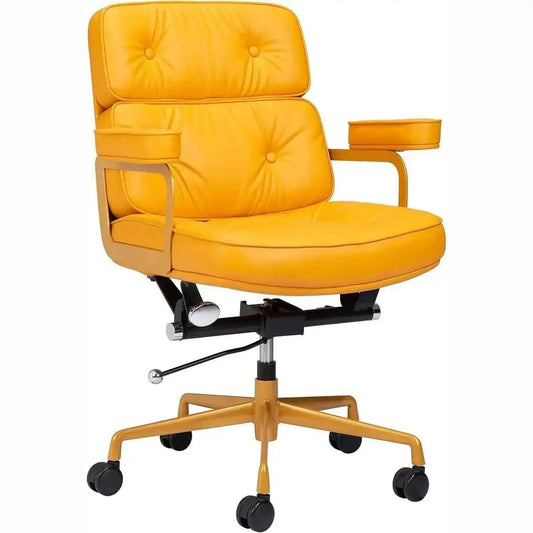
Authentic leather upholstery provides unparalleled sophistication and tactile luxury for executive environments. Full-grain leather develops a distinctive patina over time, enhancing visual appeal while maintaining structural integrity. The natural breathability of genuine leather, though limited compared to mesh, offers moderate temperature regulation.
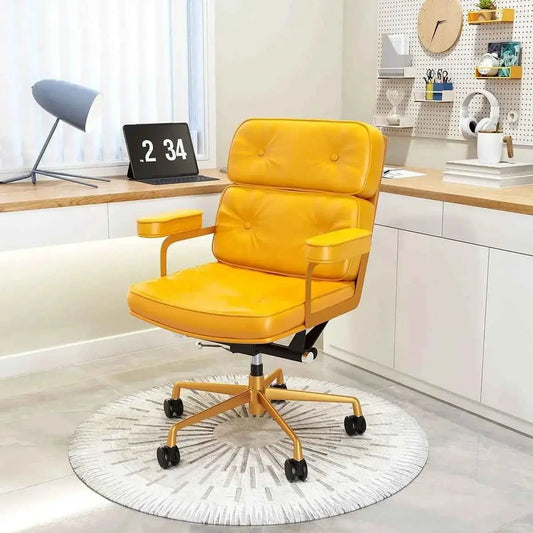
Premium leather upholstery represents the pinnacle of professional seating aesthetics, combining durability with timeless elegance that complements executive office environments.
Synthetic Leather Alternatives
Polyurethane (PU) leather and faux leather alternatives provide cost-effective solutions while mimicking genuine leather's appearance. These synthetic materials offer enhanced stain resistance and simplified maintenance protocols. Modern LeatherSoft technologies incorporate texture variations and color consistency that rival authentic leather while providing superior durability against wear and environmental factors.
Faux leather materials eliminate ethical concerns associated with animal-derived products while delivering comparable aesthetic appeal and professional presentation.
Fabric Options: Versatility and Customization
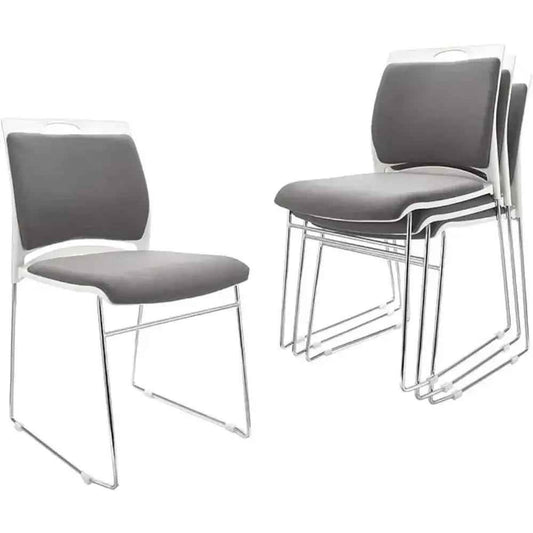
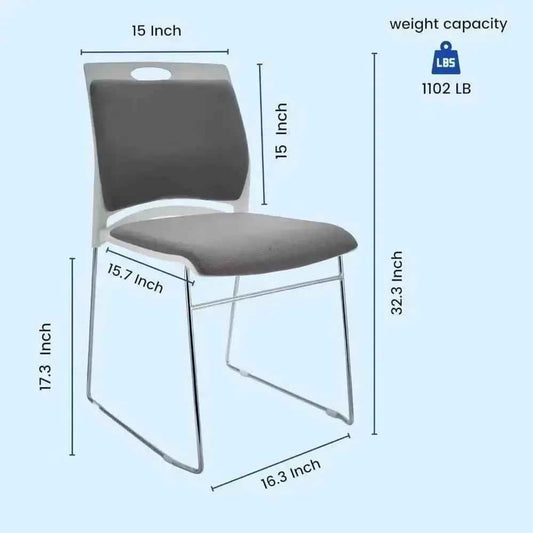
Textile upholstery encompasses an extensive range of materials, from traditional woven fabrics to advanced synthetic composites. High-density polyethylene blends offer exceptional stain resistance, while natural fiber combinations provide enhanced comfort and breathability. Fabric selections enable extensive customization options, accommodating diverse color schemes and pattern preferences.
Commercial-grade fabrics undergo specialized treatments to resist fading, staining, and microbial growth, ensuring long-term appearance retention in high-traffic environments.
Comparative Analysis of Material Performance
| Material Type | Breathability | Durability | Maintenance | Professional Appeal |
|---|---|---|---|---|
| Mesh | Excellent | High | Moderate | Modern |
| Genuine Leather | Limited | Excellent | High | Premium |
| Synthetic Leather | Limited | High | Low | Professional |
| Fabric | Good | Variable | Moderate | Versatile |
Material Selection Guidelines for Professional Environments
Selecting optimal upholstery materials requires careful evaluation of usage patterns, environmental conditions, and aesthetic requirements. Consider these critical factors:
- Daily usage duration and intensity levels
- Climate control and temperature variations
- Maintenance capacity and cleaning protocols
- Budget constraints and long-term value considerations
- Professional image requirements and design coherence
What maintenance requirements should influence your material selection? Regular cleaning capabilities, stain resistance needs, and long-term appearance retention expectations should guide your decision-making process.
The optimal chair upholstery material balances functional performance with aesthetic appeal, ensuring sustained comfort and professional presentation throughout extended service life. Quality materials from reputable manufacturers provide superior value through enhanced durability and consistent performance under demanding professional conditions.